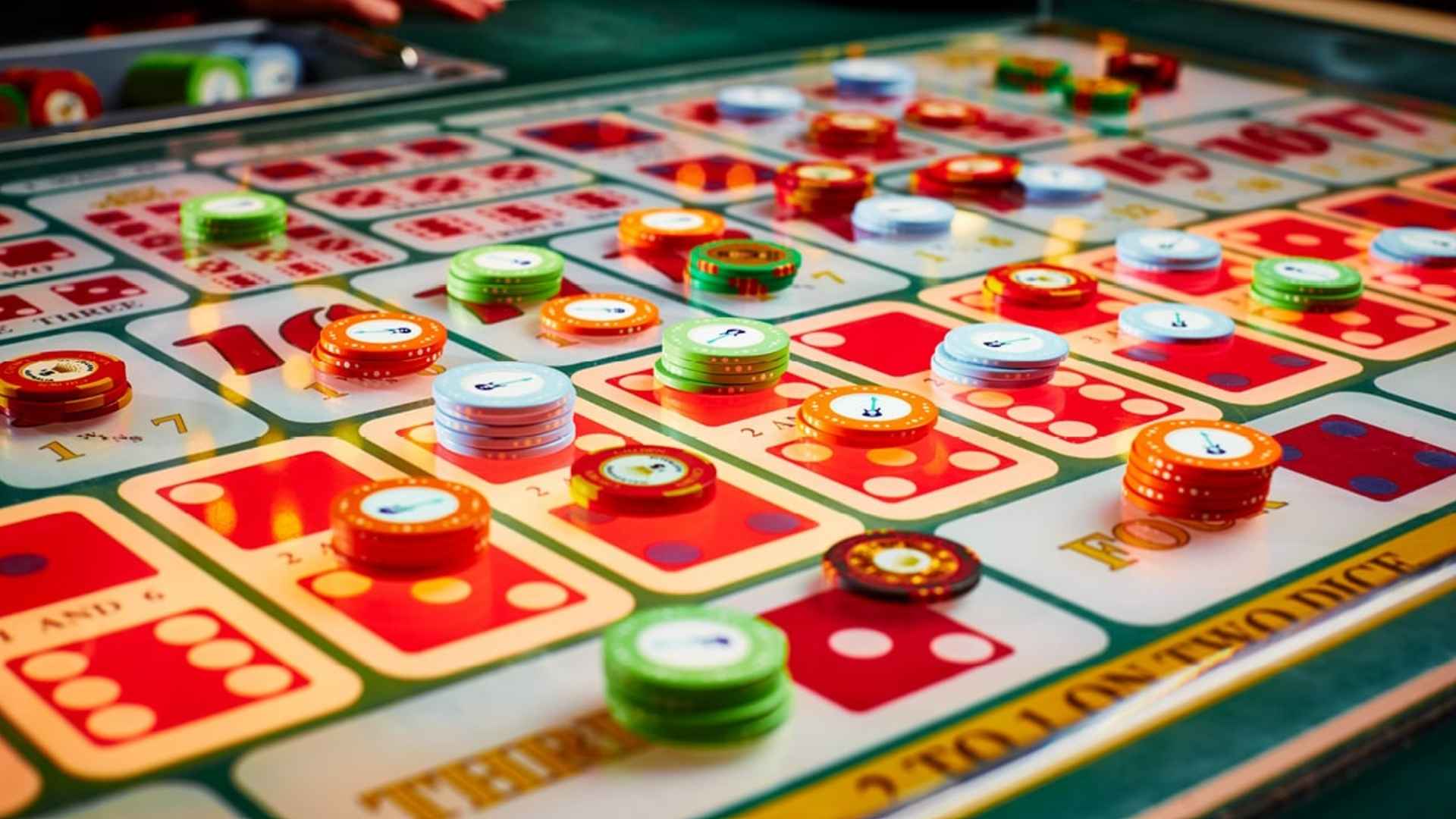
Engaging in tabletop dice games offers more than just casual entertainment; it serves as a powerful exercise for the human brain. Constantly evaluating numerical outcomes, adding values, and calculating probabilities in real time stimulates cognitive function in unique ways. This continuous mental engagement helps players refine their mental arithmetic while sharpening broader problem-solving skills.
Sharpening Rapid Numerical Processing
Rolling multiple dice forces the brain to quickly recognize numerical patterns and compute totals without relying on external calculators. Over time, players move from basic counting to instant visual grouping, a mental shortcut that dramatically increases processing speed. This rapid arithmetic practice strengthens working memory and enhances overall numerical fluency in everyday life.
Regular exposure to instant calculations keeps neural pathways active and resilient against cognitive decline. Engaging with probability-driven platforms like m88 casino can also demonstrate how fast-paced numerical decisions require sharp focus and quick mental agility. Developing these quick calculation habits translates directly into improved analytical performance during daily tasks.
Enhancing Strategic Thinking and Risk Assessment
Mental math during gameplay is rarely just about addition; it directly influences tactical decision-making and risk evaluation. Players must calculate the likelihood of future outcomes based on current totals and remaining dice choices. Weighing potential point gains against the statistical probability of a bad roll encourages disciplined, long-term strategic planning.
This ongoing risk assessment conditions the brain to remain calm under pressure while managing dynamic variables. By continuously evaluating odds, players learn to balance emotional impulses with calculated, rational choices. These refined risk management habits extend far beyond tabletop games into real-world financial and personal decisions.
Strengthening Cognitive Plasticity and Focus
Focusing on mental calculations in a dynamic game environment improves working memory capacity and attentional control. Players must keep track of running scores, opponents' totals, and probability odds simultaneously. This multi-layered processing requirement pushes the brain to maintain high concentration levels for extended periods.
The adaptive nature of mathematical gaming promotes neuroplasticity by constantly presenting novel numerical challenges. As players encounter varying dice combinations, their brains build new connections to adapt to unpredictable scenarios. This mental agility fosters creative problem-solving skills that benefit individuals across all age groups.
Fostering Lifelong Brain Health Across All Ages
For children, calculating dice values provides an intuitive, hands-on foundation for early mathematical concepts. For older adults, regular mental calculation offers an enjoyable, low-stress method to preserve mental sharpness and cognitive flexibility. The social and interactive elements of gaming further enhance these cognitive benefits by reducing stress.
Integrating simple mental math exercises into leisure activities makes cognitive maintenance feel seamless and rewarding. Combining social fun with continuous mathematical processing supports long-term neurological health without feeling like formal study. Ultimately, rolling dice remains one of the most accessible and effective tools for continuous brain training.